Much like the start of the year, March got off to a poor beginning. Donald Trump’s uncanny ability to bankrupt and corrupt everything he touches has now extended beyond casinos and the United States Constitution to the wider world. His war against Iran, however superficially justifiable, is ill-conceived and prosecuted with scant regard for the broader consequences. Both Trump and Benjamin Netanyahu face the prospect of lengthy prison sentences should they ever relinquish power, and this conflict appears driven less by moral necessity than by a desire to deflect attention from their own legal jeopardy.
Their collective karma seemed to spill over into my own affairs when, late on the evening of 3 March, I ricked my back while lifting logs, placing my forthcoming trip to Italy with Sean in doubt. The following day, as bombs fell on Tehran and retaliatory strikes echoed across the Gulf states, I celebrated my birthday. A restless night gave way to nausea, headache and stomach pains; the conflict had most certainly reached Willow Bank.
After opening cards and presents, I rang John Lee to cancel the walk and lunch we had planned at Rutland Water, before retreating to bed until lunchtime. That was followed by a brief reappearance and a swift return to the comfort of pillow and duvet until teatime. After a ‘light meal’, I phoned Sean to warn him that, unless there was a marked improvement, I might not be joining him in Pescara on the 6th.
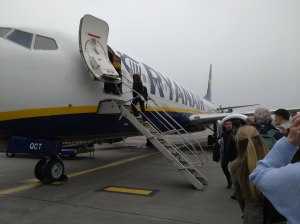 Waking at 5 a.m., I felt ‘good to go’, so I quickly dressed, had breakfast and was ready for the journey to Stansted Airport when Sean arrived at 6 a.m. With little traffic on the road to delay us, we were parked up and through to security by 7.45 a.m. With the new security measures and equipment now fully operational, I had expected a swift passage to the departure lounge, but it was not to be. Ninety-five per cent of the baggage passing through the scanner was diverted to the suspicious-items belt for further investigation, so much for being able to leave liquids and electronics inside your bags. After joining a lengthy queue of other frustrated passengers, we eventually satisfied the human operative and found a seat in one of the cafés for a light snack and coffee. The flight left on time at 11.25 a.m.
 Having made the same journey two years ago, within two hours we were in the Pescara Airport concourse, where we bought bus tickets to the city’s railway station and found ourselves waiting in the sunshine at the bus stop across the road. A twenty-minute journey later, we were buying train tickets to San Vito Lanciano. Fifteen minutes after that, we were being effortlessly whisked along the Adriatic coast aboard a very modern and quiet Trenitalia carriage. The walk downhill from the station to the apartment takes around ten minutes or so, and we were soon checking out our third-floor, beachside apartment. After making a refreshing coffee using the sachets Sean had brought, filched from numerous hotel rooms he had stayed in over the past year, we set off to find a suitable restaurant for our evening meal.
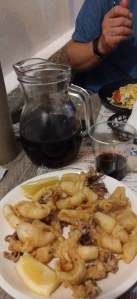 Locating an establishment next to the roundabout in the lower town where we had eaten on a previous occasion, we settled in for a feast of seafood and wine before making our way to a bar near the train station for further refreshments.
By 11 p.m., we were back in the apartment watching Italian television, playing a game of guessing what the game-show contestants were saying.
A couple of hours later, I woke feeling decidedly ill. After several wretched trips to the toilet, I had managed to donate the contents of my stomach to the Abruzzo sewerage system. Feeling considerably better for the experience, I retired to the comfort of my lounge bed for the rest of the night, resolving, as I have on many occasions in the past, never again to order seafood and mix it with copious amounts of alcohol.
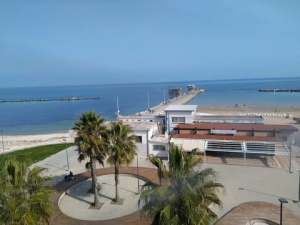
Well enough for breakfast, we stretched our legs with a short walk to the supermarket to buy provisions. We scoffed our cereal and toast while watching the locals promenade (as only Italians can) along the lengthy pier that extended into the sea directly in front of our accommodation.
Today was the day that the boys in white (England) were going to show the ragazzi in blue (Italy) how to play rugby. The game was being played in Rome, and we had originally planned this trip to attend the match, but fortunately, when we attempted to buy tickets, it was already sold out. Plan B was to watch the game at an Irish bar in Pescara, no doubt among expats and Italian supporters. It should be a great atmosphere, we thought.
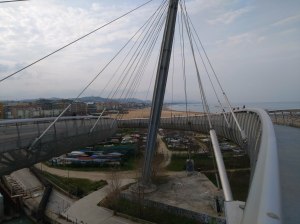 After a light lunch in town, we caught the train to Pescara Centrale. The sun was shining, the temperature was 15 degrees and rising, what a perfect day to watch rugby. It was a pleasant half-hour walk to Jaysons Irish Bar on the outskirts of the city to reconnoitre its location. The England v Italy match was not until the early evening, but Ireland were taking on Wales that afternoon, so we were confident it would be open.
How wrong we were. The doors were tightly closed, and the opening hours displayed the usual Italian custom of 8 p.m. to 1 a.m. Enquiring at the busy restaurant next door, we discovered that they do indeed stick rigidly to these hours, no matter what sporting event might be taking place elsewhere in the world. How they can call themselves an Irish bar is beyond me. Whoever Jayson is, he should be flogged for misrepresentation and hung from the nearest lamppost.
With no health-reviving Guinness or friendly rugby banter to look forward to, we set off for the beach and meandered around the port and city until it was time to catch the train back to San Vito.
We arrived back at the apartment in readiness for the match and settled down to watch events unfold on television with cups of coffee and a bag of crisps. Eighty minutes later, after a depressingly lacklustre English performance, ‘our boys’ were beaten 23–18. It was the first time in history that England had lost to Italy. In 33 previous meetings, England had always come out on top. It was also the first time since 2018 that England had lost three Six Nations matches in a row. Steve Borthwick will have a lot to answer for, especially since his side and their tactics left two hugely disappointed supporters deep in opposition territory without even consoling beers for company.
Now almost grateful that Jaysons had chosen to be typically Italian and ignore the unwritten law that Irish bars show all ball sports, regardless of time zone, we replaced our England rugby shirts with non-committal fashionable tops and made our way into town for a couple of wonderful pizzas and Italian beers. Thankfully, the locals appeared not to have noticed that a monumental sporting humiliation had earlier taken place in their capital, or perhaps they were simply being kind.
As a nation, they do make a very good pizza. And now, it seems, they can play rugby too.
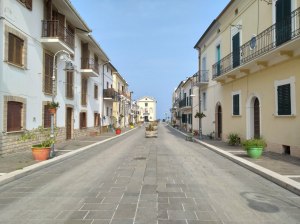
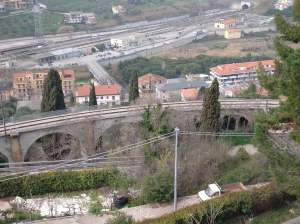 Opting for a lazy day in the local area, the following day we had a late breakfast. Blue skies and a warmish breeze encouraged us to tackle the steep drag up to the viewpoint high above the old town. As we emerged from our apartment block, the beach, pier, and plaza below were teeming with people strolling in pairs or walking their dogs. The bicycle rental shop a few doors down was doing brisk business, with its electric versions appearing to be the most popular choice. These silent assassins have to be watched carefully as you step out along the shore path that stretches from Pescara in the north to Termoli in the south.
Our ascent to the old town was marked by the same barking dogs that greeted us two years ago. One in particular drew our sympathy: he was in an awful, emaciated state, his ribcage clearly visible. Unfathomably, placed on the front doorstep of the house he was guarding were bowls of water, cat food and chips. A fat, black, fluffy cat was sunning and preening itself on the nearby wall. Later, on our descent, I gathered handfuls of the cat food and gave it to the starving and grateful hound. There has to be a story behind this sad state of affairs, but cruelty to the dog and overindulgence towards the cat seemed quite obvious to me.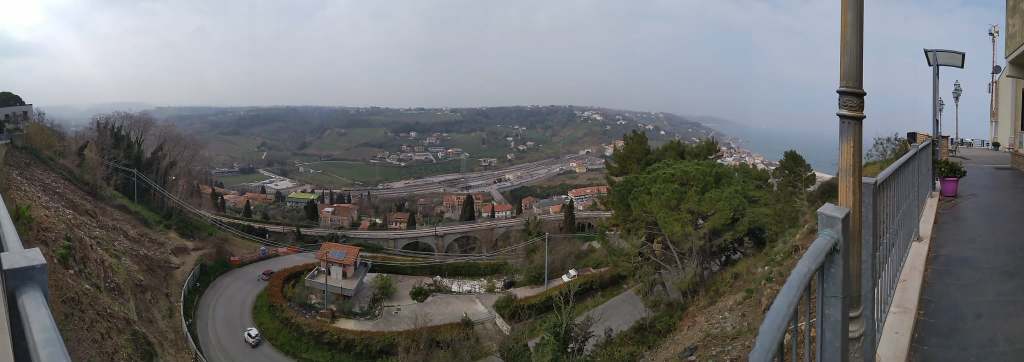
Up on the viewing platform, we mingled with the many other tourists admiring the views across the town and the sea, taking photographs whenever the fancy took us. It was a Sunday, and this is rural Italy, so apart from the churches, most places were closed. Moving into the town centre, we passed a bar which seemed full of people who had spilled out from the church across the square. No doubt, lengthy services make one’s throat dry and in need of lubrication.
We ambled the full length of the upper town, discovering what must once have been a very plush sports centre, now disused and crumbling. Perhaps the Xbox now provides the main source of physical exercise for the town’s youth. We retraced our steps to the bar, which had disappointingly closed just as the congregation opposite filtered home. In a nearby side street, we found a small café open where I sank an Americano accompanied by a cheese and ham roll, while Sean’s attempted latte, which turned out to be little more than hot milk, was backed up with a sweet pastry.
Making our way back to base, we took a short walk along the beach before settling down in the apartment to watch a successful Tigers side beat their rivals Bath to secure a place in next week’s cup final against Exeter Chiefs. After yesterday’s huge disappointment, it was good to finish the weekend with some success on the rugby pitch.
 The following morning, we had an early start, catching the 8.05 train to Teramo. Set at the foot of the Gran Sasso mountains, Teramo is the main city of northern Abruzzo, located in a fertile valley where the Tordino River and Vezzola River meet. Its historic centre, with cobbled streets and open piazzas, reflects a long history shaped by Roman, medieval and Renaissance influences. Thanks to the efficient and comfortable Trenitalia service, we enjoyed a pleasant journey into the Italian interior, discussing the passing scenery and musing on the Italian pace of life. At just €19 for two single tickets, the one-hour journey was excellent value.
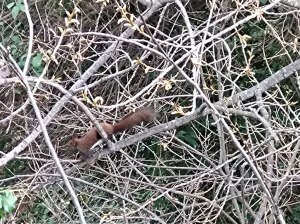
On arrival, we ducked into the station café for coffee and brought up Google Maps to check the location of any interesting sites. With a plan in mind, we set off along Ponte S. Ferdinando, crowded with students from the nearby university. While crossing the bridge over the Torrente Vezzola, we paused for a while to watch a Calabrian black squirrel busily searching for acorns, seeds and fruit among the canopy of trees below our vantage point.
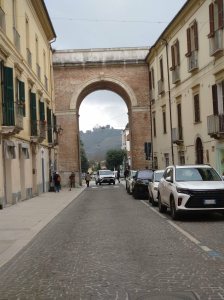 Reaching the impressive city gate of Porta Reale, we passed through its arch and struck out along Corso de Michetti, admiring the historic architecture of this colourful street and checking the prices of apartments displayed in the numerous estate agents along its length.
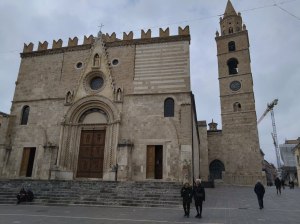
Arriving at the Basilica of Santa Maria Assunta, we stepped inside its cavernous interior to find that, apart from one other visitor, we had the place entirely to ourselves. Built in 1158, it houses the relics of Berardo of Pagliara following the destruction of the former cathedral of Teramo. We did not stay long before continuing along Corso San Giorgio towards a large roundabout near the Biblioteca Libera nella Villa 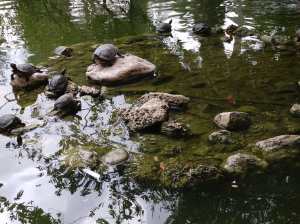 Comunale and its surrounding gardens. Here we took our time watching the turtles and black swans in the large lake at its centre before deciding to continue on towards the Castello della Monica. Construction of the castle began in 1889; it was designed and built as the personal residence of the Teramo artist Gennaro della Monica, an architect, sculptor and painter who lived between the late nineteenth and early twentieth centuries, and from whom the castle takes its name. Within its walls is a small medieval-style village, but sadly, despite the entrance board indicating it should be open, this is Italy, and it was not.
Heading back downhill into the city centre, we found a lovely restaurant that provided us with an excellent lunch at a very reasonable price. With the afternoon rapidly slipping away, we made our way back to the station, stopping at a Gobbo retail outlet to fruitlessly search for some presents for Sean to take home.
While changing trains in Pescara, we had coffee in a café outside the station. Unfortunately, on visiting the toilet, I began to feel the early symptoms of a return of Cystitis. Back in San Vito Chietino, I called in at the pharmacist on the way to the apartment and came away with some homoeopathic tablets made from grapefruit seeds that promised to help. Being hugely sceptical, I was relieved that within a couple of hours they did indeed seem to work, well done, the Italian pharmacist. That evening, not wishing to risk eating out, I made do with water and a snack while Sean fetched himself a takeaway pizza from the town. Both of us, feeling very tired after our early start and excursion, turned in for an early night.
The following morning, keen not to stray too far from the sanctuary of the apartment, I chose not to accompany Sean on our planned jaunt to the nearby town of Lanciano. Founded in 1181, the town is known for the first recorded Catholic Eucharistic Miracle, said to have occurred in the eighth century. According to tradition, a Basilian monk who had doubts about the real presence of Christ in the Eucharist found, when he spoke the words of consecration at Mass, that the bread and wine changed into flesh and blood.
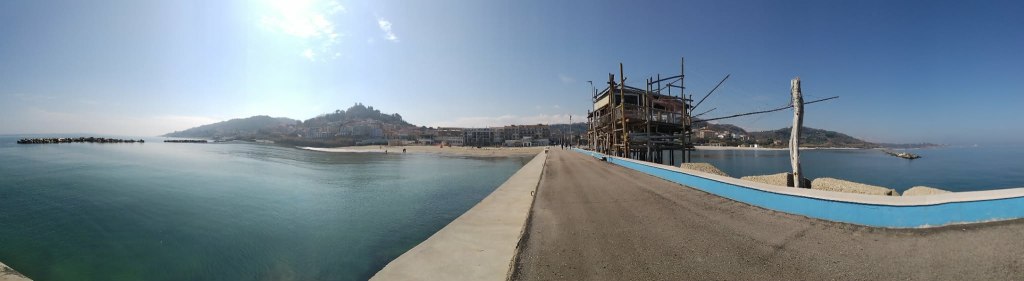
While Sean caught the bus outside the train station into the town, I tidied the apartment and then walked to the shop for a few provisions before returning for a shower. Feeling refreshed, I joined a string of locals strolling in the warm sunshine along the pier. Afterwards, I passed half a dozen fully robed nuns on the beach, enjoying a paddle in the sea and carefully exposing just enough of their legs to preserve their modesty. Leaving the sand behind, I climbed the narrow streets of the lower town, discovering a few more sights and taking in the views along the coastline.
 Returning to the apartment, I made myself lunch, cheese on toast, before Sean returned with a description of the town that confirmed I had made the right choice.
We spent the rest of the day enjoying a lazy afternoon, chatting while preparing a salad for our evening meal. The evening’s entertainment consisted of a few games of pool in the town bar.
Wednesday morning began just as lazily, with a late breakfast. Owing to a misreading of the timetable by Sean, we unfortunately missed the train to Termoli for the start of the day’s adventure. Thankfully, it was another warm and sunny day, so we passed the time with coffee in one of the lower-town cafés before catching the 11.25 train.
 The pretty old town sits on a natural promontory jutting out into the sea. On one side lies a long sandy beach, and on the other Termoli’s small port. The old town is surrounded by walls that drop straight down to the sea and is dominated by its square castle overlooking both the beach and the water. Castello Svevo was originally built in the 11th century but was largely rebuilt by Frederick II in the 13th century.
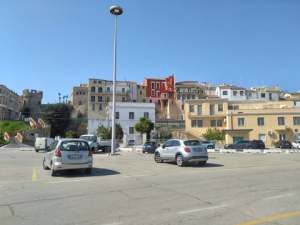 Although we had visited the town a couple of years earlier, Sean was keen to explore its links with the Special Air Service during World War II, as his father had served in the Paras and he had a longstanding interest in the history of the conflict. Operation Devon was the code name for an amphibious landing by British commandos in 1943 at Termoli. In the early hours of the 3rd of October 1943, 3 and 40 Commandos and the Special Raiding Squadron landed behind German lines under cover of darkness, north of the Biferno River. Forty Commando penetrated well into the town before the Germans were alerted. By around 08:00, the commandos had captured the town and controlled the approaches. The operation, however, proved costly. Between them, the commandos lost three officers and 29 other ranks killed, seven officers and 78 other ranks wounded, and one officer with 22 others missing.
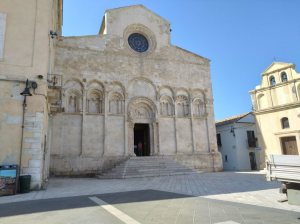 Heading to the castle, we searched in vain for any information boards commemorating the attack. Disappointingly, we found no reference to it anywhere in the old town or port area. The town itself was very quiet, with few people or vehicles around. After a brief visit to the Cathedral of Saint Mary of the Purification within the castle walls, we decided on a meal and set off on a lengthy search for a bar where we had eaten on a previous visit. After a little backtracking and eventually resorting to Google Maps, we discovered it and enjoyed a lovely late lunch.
While we were eating, I noticed that none of the other patrons used a knife and fork. Like Americans, they simply used a fork. Although I had not noticed this on previous visits to Italy, I began to wonder whether the huge influx of Italian immigrants to the United States during the 1920s and 1930s might have influenced the American habit of dispensing with the knife while eating.
Checking the time of our return train, we realised we still had enough time to attempt to find the Torre del Meridiano. Constructed between the 14th and 15th centuries, its principal function was to watch for Saracen fleets, which frequently raided coastal towns. However, reviews suggested it was hidden behind several properties and not directly accessible. In the end we could find only some remnants of an associated wall before giving up and returning to the station for the journey back to San Vito Chietino.
That evening we enjoyed another excellent pizza in town, but annoyingly the bar was closed, so we returned to the apartment and watched Chelsea F.C. lose to Paris Saint-Germain F.C.
After an 8 a.m., we finished off the week’s provisions for breakfast, before showering and tidying the apartment in readiness for our journey home. We caught the 10.35 a.m. train to Pescara, and I called in at the pharmacy on the way to the station to stock up on medication.
With plenty of time to spare before our 5.30 p.m. flight, we browsed the shops in Pescara until Sean eventually found a couple of T-shirts for his grandchildren.
After stopping to buy bus tickets (€1.40) at the main ticket office, we caught the 8S bus to the airport. However, the journey was not without incident. With only a short distance left to travel, an inspector asked to see our tickets. We duly produced them, only to discover that, on boarding, tickets must be validated in a machine located next to the driver’s cab. We knew nothing of this, having boarded with other passengers in the middle of the bus and taken seats by the door. Despite our lengthy, and increasingly animated, protests that we neither spoke nor read Italian and had not been informed when purchasing the tickets, we were each fined €55 for the oversight.
In a scene bordering on farce, I stepped off the bus on arrival at the airport, only to be followed by the conductress, while the bus pulled away with Sean still on board with the inspector, attempting to pay the fine. Looking rather bemused, and with the conductress now in a state of panic, I watched as the bus returned a few minutes later. An apologetic inspector and a distinctly irritated Sean disembarked, and the bus promptly sped off again. We made our way to a nearby shopping centre for lunch, leaving the two officials stranded at the bus stop. In fairness to the Italians, several passengers had appeared visibly embarrassed by how we had been treated, and I suspect the driver shared their view, judging by his rather pointed departure.
After lunch at one of the food outlets in the centre, we headed to Departures and waited for security to open, passing the time over a couple of coffees.
The flight left on time, and we arrived at a cold and damp Stansted Airport, making it home through busy traffic by 8.45 p.m. I spent the remainder of the evening watching a little television before turning in at 10 p.m.
The following day (Friday), Sue reported that, while I had been away, she had developed a rash on her stomach, which had prompted a visit to Corby Medical Centre and a prescription for a fungal cream, which appeared to be doing the trick.
After my Italian flare-up of cystitis, I rang the surgery at 8 a.m. and was given a 9.10 a.m. appointment, at which I was prescribed two courses of antibiotics. We spent the rest of the morning productively: Sue attended a suitably themed U3A talk on health and hygiene, while I sorted through the dry wood from my rather substantial stockpile. That evening, Sue went to see a film at Harborough Cinema Club, while I opted for an early night.
On Saturday morning, I dug up the last of the leeks and transported yet more wood from the allotment. On my return to Willow Bank, Sarah, Alice and Archie arrived to take Sue for an afternoon at East Carlton Park. I spent the afternoon watching a couple of Six Nations Championship matches in the garden room with Jim Crawford. Later that evening, Sean arrived and we watched England lose narrowly to France in the closing minutes.
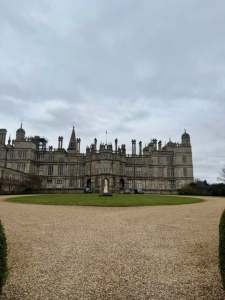
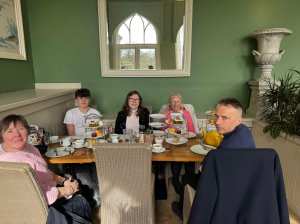
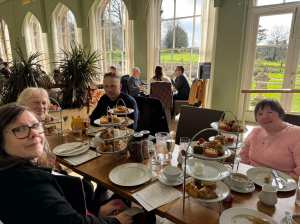
The following day was Mother’s Day. I spent much of it giving the lawns their first cut of the year and sawing up the wood I had collected the previous day. Sue drove over to Waltham on the Wolds to see Jamie for a surprise. She later went on to Burghley House, where she joined Jamie, Ruth, her mother and Joey for an excellent afternoon tea.
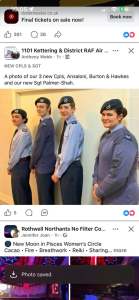
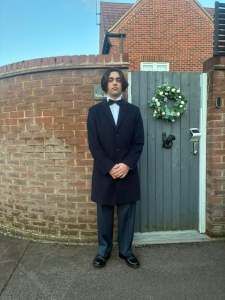
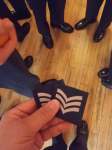 Early that evening, Charlotte and family called in on their way to take Lucas back to university. Earlier in the week, Ellis had been promoted to Sergeant in the Air Cadets, which made the whole family very proud.
Sadly, Monday did not begin well. After returning from a very chilly morning bike ride, I learned from Sue that our Canadian aunt, Gwenda, had passed away peacefully in her sleep at a residential home in Ontario. We passed on our sympathies to her son Matthew, who lives in Woking, and learned that her condition had deteriorated rapidly in recent weeks, and that she had been largely unaware of her surroundings towards the end. She was 94 years old.
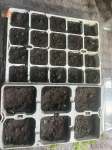 As the days began to lengthen, the family set about planting seeds in their respective greenhouses, in readiness and in the hope of an abundant crop of delicious fruit and vegetables later in the year. On the 18th, we were given a clear sign that winter was drawing to a close, as temperatures rocketed into the twenties.
I had arranged a short walk followed by lunch with John Lee, starting from the Normanton Park Hotel by Rutland Water. We met at 10 am and set off along the same five-mile route we had taken before Christmas, rounding it off with the same meal afterwards. The warm weather had brought out plenty of other walkers, most of whom seemed to be striding along at a considerably faster pace than ourselves.
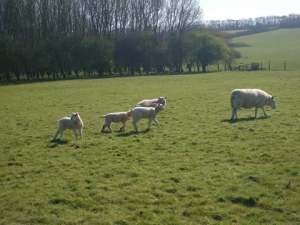
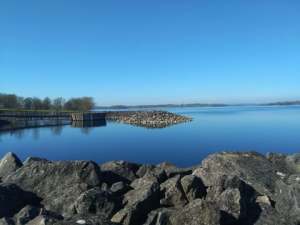 Deep in conversation, we covered the usual important matters: the state of English rugby, family news, and, of course, despair at the antics of the erratic and narcissistic leader of the United States. It was wonderfully invigorating to feel the warmth on the skin, to walk beneath azure skies, and to pass swathes of smiling daffodils. We disturbed ewes keeping a close watch over their newborn lambs, which were busy gambolling with their new companions in the fresh green growth of the Rutland countryside.
John kept a watchful eye on the small number of trout fishermen casting into the still waters, weighing up whether to try his luck with the new rod he had bought a few days earlier, and which was lying in the boot of his car. We parted with promises of another walk in a couple of weeks’ time, I to drive home to Willow Bank, and he to retrieve his rod and practise a few casts in the hope of catching his supper.
 Sue began her day with an early morning visit to the dentist, followed by a spot of shopping at the ‘Company Shop’ in Corby, before settling into a cinema seat to watch The Testament of Anne Lee, a biopic about the founder of the Shaker movement. “Very enjoyable,” was her verdict.
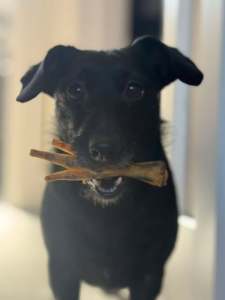
Nala turned six today (18th). As a treat, Jamie took her for a walk along the canal, followed by lunch.
The following day was the hottest of the year so far. After my morning bike ride, I made the most of the fine weather by planting some first early potatoes, then mowing the lawns on a lower setting. Meanwhile, Sue got out her duster and tackled the surfaces in the lounge, which were apparently coated in ash from months of the woodburner being in use.
In the afternoon, I had yet another blood test and then pruned the vines at the allotment. Sue visited Doreen and reported that she didn’t look very well, saying she was feeling tired. Around teatime, Jamie briefly dropped Nala off to stay with us for a week while he and Ruth visit Norway.


Leave a Reply